

How do I make a talking avatar video in ChatGPT?
Connect Vercanto to ChatGPT, give it a photo of the face and the script. ChatGPT makes the voice with generate_speech, then calls an avatar model that moves the face in time with it. A 10-second talking clip costs about 123 credits ($1.23): 121 credits ($1.21) for the video on Kling Avatar 2.6 Pro and 2 credits ($0.02) for the voice.
A real example
Real Kling Avatar 2.6 Pro outputClip: Kling AI · YouTube
Steps
- In ChatGPT, open Settings, then Apps and connectors, and turn on developer mode. Create a connector with the server URL https://vercanto.com/mcp, choose OAuth and sign in to Vercanto.
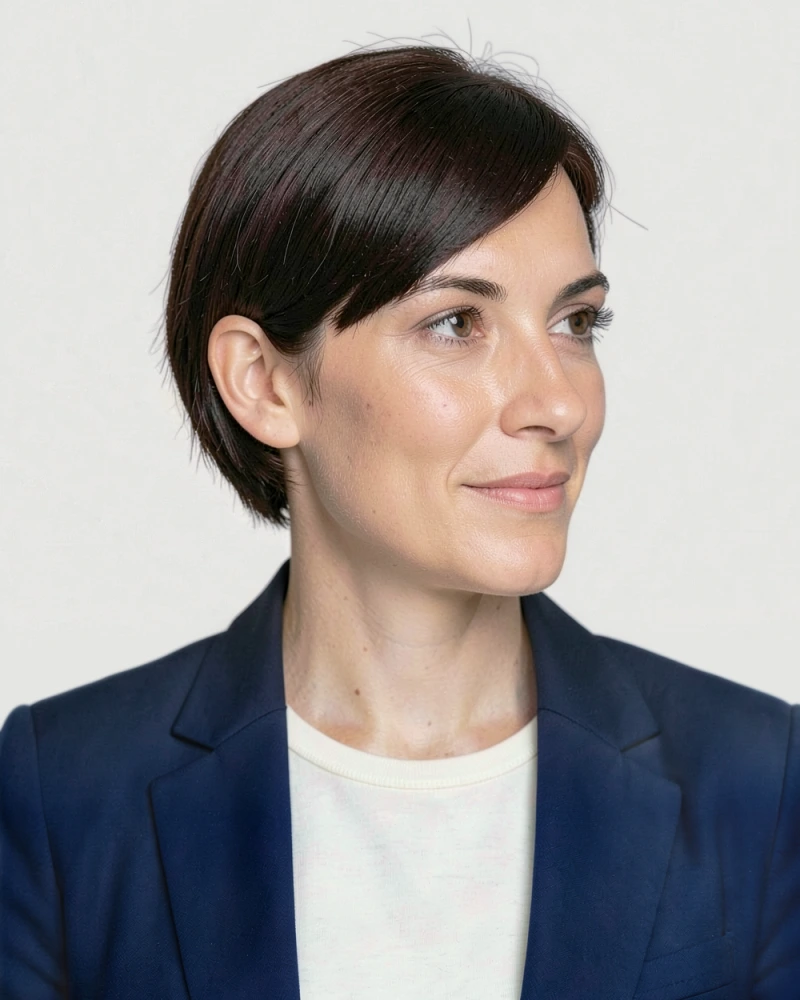
- Give ChatGPT the photo of the presenter: a public link, or the upload page of your Vercanto library. Use a face you have permission to use.
- Write the script, or ask ChatGPT to write it. About 150 characters make ten seconds of speech.
- Choose a voice by name or by description, such as calm, warm or energetic, and the language.
- ChatGPT makes the voice, then the video. The clip is as long as the voice track.
Menu names change between app versions. Look for connectors, apps, integrations or MCP servers.
What to type
Make this headshot say our welcome message in a friendly voice: “Hi, and welcome. In the next minute I will show you how to set up your account.”
Updated
Without an assistant: on the site
You can do the same without ChatGPT: open the Kling Avatar 2.6 Pro page on Vercanto. Its composer has a box for your request, slots for your files and the price of your settings; press Generate and the result is saved in your library.
Generating needs a Vercanto account with credits. The page asks you to sign up when you press Generate and keeps what you typed.
Good to know
- The clip runs as long as the voice track, so the length of the script sets the price.
- You can bring your own recording instead of a generated voice: give ChatGPT the audio file.
- Faces need consent. A photo of a real person may be used only with that person's permission.
Questions
What do I need for a talking avatar?
One clear, front-facing photo and the words to say. The photo can also be an illustration or a generated character.
How long can the video be?
As long as the voice track you give it. The price follows the length: 121 credits ($1.21) for ten seconds on Kling Avatar 2.6 Pro.
Can it speak Turkish?
Yes. The voice models speak dozens of languages, Turkish included. Write the script in the language you want.
Can I use my own voice recording?
Yes. Give ChatGPT the audio file instead of a script, and the avatar model moves the face in time with your recording.
What does a talking avatar video cost?
About 123 credits ($1.23) for ten seconds: 121 credits ($1.21) for the video on Kling Avatar 2.6 Pro and 2 credits ($0.02) for the voice. A longer script makes a longer clip and costs more.
Can I do this without ChatGPT?
Yes. Open the Kling Avatar 2.6 Pro page on Vercanto, type your request, add your files if the job needs them and press Generate. The price of your settings shows before you press, and the result is saved in your library.
Who owns what I make, and can I use it?
You keep the rights you have in what you upload and what you generate, subject to the terms of the model providers. You give us the permissions needed to store and process it for you. We do not use your content to train AI models. Uploading media or passing it to the service (as a file, a link or an asset id) means you confirm that you own it or have the consent of everyone who appears or is heard in it; a false confirmation is a violation of these terms.
Can I use what I make?
This is what the terms say about what you upload and what you generate:
You keep the rights you have in what you upload and what you generate, subject to the terms of the model providers. You give us the permissions needed to store and process it for you. We do not use your content to train AI models. Uploading media or passing it to the service (as a file, a link or an asset id) means you confirm that you own it or have the consent of everyone who appears or is heard in it; a false confirmation is a violation of these terms.