

How do I animate a photo and turn it into a video in ChatGPT?
To animate a photo, connect Vercanto to ChatGPT, give it the photo and describe the motion. ChatGPT calls generate_video with your photo as the first frame, so the clip starts exactly as the photo looks. The 6-second 720p clip below cost 123 credits ($1.23) on Kling 4.0; 5 seconds on Gemini Omni Flash, the default, cost 43 credits ($0.43).
A real example
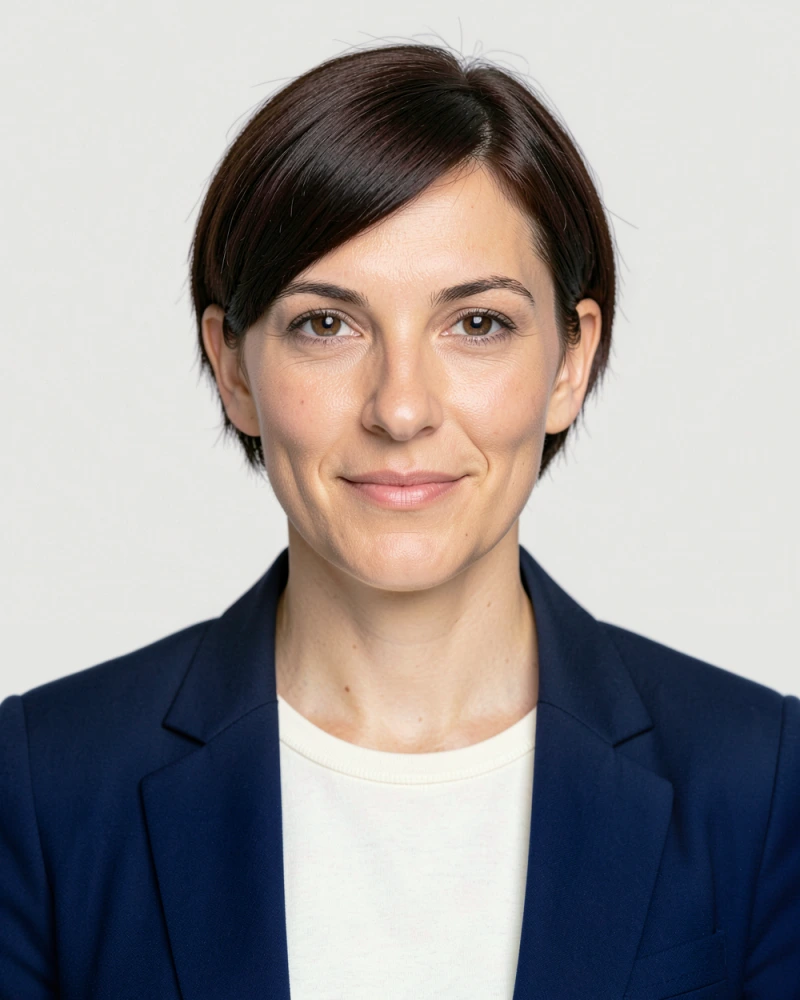
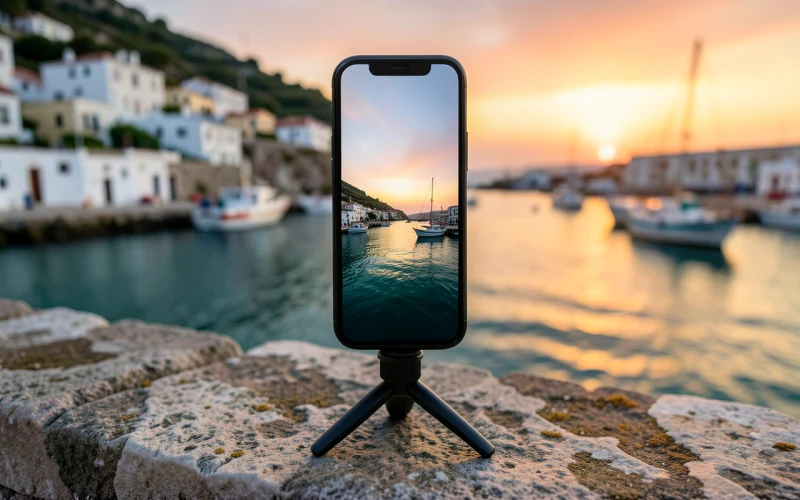
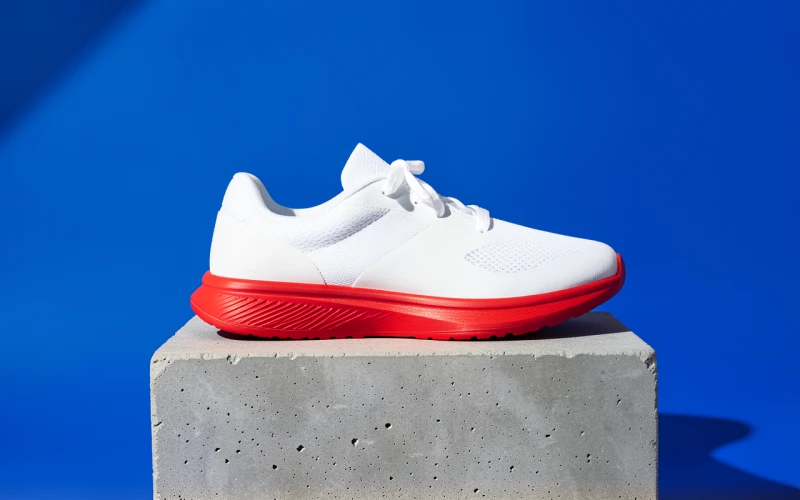
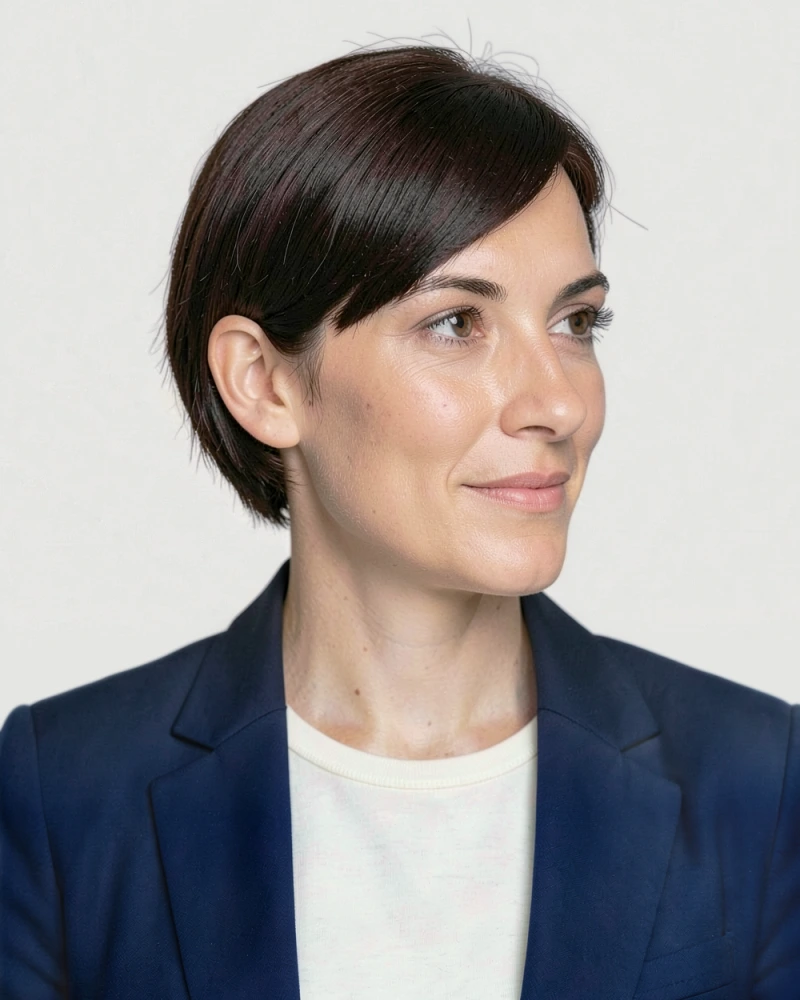
 The photo
Steps
- In ChatGPT, open Settings, then Apps and connectors, and turn on developer mode. Create a connector with the server URL https://vercanto.com/mcp, choose OAuth and sign in to Vercanto.
- Give ChatGPT the photo: paste a public link to it, or ask for the upload page and drop the file into your Vercanto library.
- Confirm that the photo is yours or that everyone in it agreed. The tool refuses a file without that confirmation.
- Describe what moves, how the camera moves and how long the clip should be.
- ChatGPT returns a link when the clip is ready, usually after a few minutes.
Menu names change between app versions. Look for connectors, apps, integrations or MCP servers.
What to type
Animate this product photo: a slow push-in on the bottle while a band of warm light sweeps across the glass. 6 seconds, 720p, on Kling 4.0.
Updated
Without an assistant: on the site
You can do the same without ChatGPT: open the Kling 4.0 page on Vercanto. Its composer has a box for your request, slots for your files and the price of your settings; press Generate and the result is saved in your library.
Generating needs a Vercanto account with credits. The page asks you to sign up when you press Generate and keeps what you typed.
Good to know
- The photo becomes the first frame. To fix the last frame too, give a second image: several models render the motion between the two.
- One camera move and one action per clip come out best.
- A clip that fails is refunded in full, automatically.
Questions
Which models can animate a photo?
12 of the video models take a photo as the first frame, among them Kling 4.0 and Gemini Omni Flash. With Vercanto connected, ChatGPT can use any of them.
Which model is good for product photos?
One that keeps the first frame faithful. The example used Kling 4.0; Gemini Omni Flash, the default, costs 43 credits ($0.43) for 5 seconds at 720p.
Can I use a photo of a person?
Only your own photo, or one whose subject agreed. Impersonating real people is not allowed, and every request is checked before it runs.
How do I animate a photo with AI?
Give the photo to a video model as the first frame and describe the motion. In ChatGPT with Vercanto connected, ask for it in the chat; on Vercanto, add the photo to the first-frame slot of a video model's page and press Generate.
How long can the clip be?
It depends on the model: Kling 4.0 makes clips of 3–30 s and Gemini Omni Flash of 3–15 s. The price follows the length.
Can I do this without ChatGPT?
Yes. Open the Kling 4.0 page on Vercanto, type your request, add your files if the job needs them and press Generate. The price of your settings shows before you press, and the result is saved in your library.
Who owns what I make, and can I use it?
You keep the rights you have in what you upload and what you generate, subject to the terms of the model providers. You give us the permissions needed to store and process it for you. We do not use your content to train AI models. Uploading media or passing it to the service (as a file, a link or an asset id) means you confirm that you own it or have the consent of everyone who appears or is heard in it; a false confirmation is a violation of these terms.
Can I use what I make?
This is what the terms say about what you upload and what you generate:
You keep the rights you have in what you upload and what you generate, subject to the terms of the model providers. You give us the permissions needed to store and process it for you. We do not use your content to train AI models. Uploading media or passing it to the service (as a file, a link or an asset id) means you confirm that you own it or have the consent of everyone who appears or is heard in it; a false confirmation is a violation of these terms.